How to start meditating with a group (and why it is easier than alone)
Sitting still at home is hard. A weekly group, a teacher and a set time make it much easier to keep going.
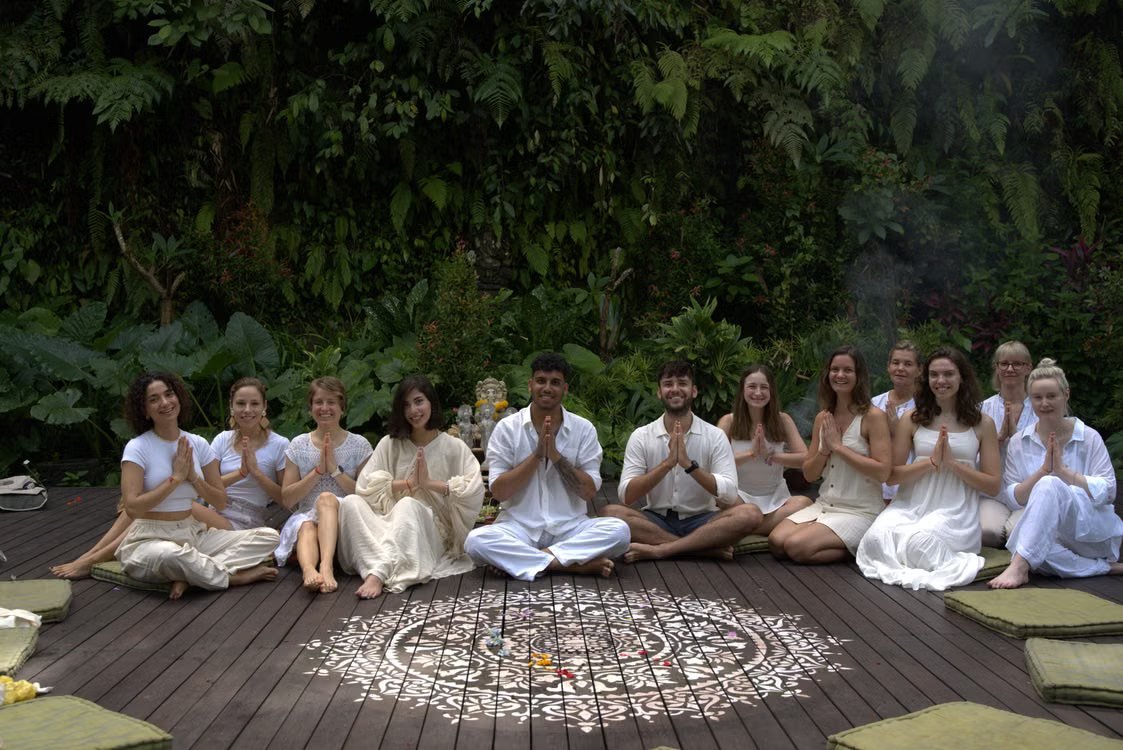
Most people who try meditation start with an app, sit for a few days, and then quietly stop. That is normal. Sitting still on your own, with no one expecting you, takes a kind of discipline that few of us have at the end of a long day.
A group changes that. There is a set time, a room that is already quiet, a teacher who explains what to do, and other people who are also finding it hard. Many meditation centers and temples run free or donation-based evenings for exactly this reason.
The traditions you will come across
- Mindfulness. Paying attention to the breath, body and thoughts without judging them. Often taught in a secular way, sometimes as an eight-week course.
- Zen. Seated meditation called zazen, usually facing a wall, with periods of walking meditation in between. Simple, quiet and structured.
- Insight or Vipassana. Watching sensations and thoughts closely. Centers often run evening sits and longer silent retreats.
- Tibetan and Kadampa centers. Guided meditations combined with short teachings, often on kindness and compassion.
- Loving-kindness (metta). Silently repeating wishes of well-being for yourself and others. Many people find it a warm place to begin.
What happens the first time
Arrive a little early and tell whoever greets you that it is your first time. Someone will show you where to sit. You can almost always choose a chair instead of a cushion. A typical evening includes a short introduction, 20 to 40 minutes of sitting or a guided meditation, and sometimes a talk or tea afterwards. Nobody will expect you to know the words or customs.
How to find the right group
- Look for evenings described as introductory, beginner or open to all.
- Read a little about the tradition and the teacher, so you know what kind of practice to expect.
- Try two or three places. The feeling of a room matters, and it is fine to keep looking.
- Ask about cost. Many centers run on donations, and no one should pressure you to give.
Making it stick
Pick one evening a week and treat it like any other appointment. Between sessions, five or ten minutes at home is enough. The group is what keeps you coming back.
Meditation can bring up strong feelings. If you are living with trauma or a mental health condition, a trauma-informed teacher, or talking with your therapist first, can help.